

Web3 and Metaverse Growth: Building for Immersive Worlds
Discover how Web3 and the Metaverse are driving immersive digital worlds through blockchain, AI, and virtual technologies, unlocking new opportunities for users, developers, and businesses.
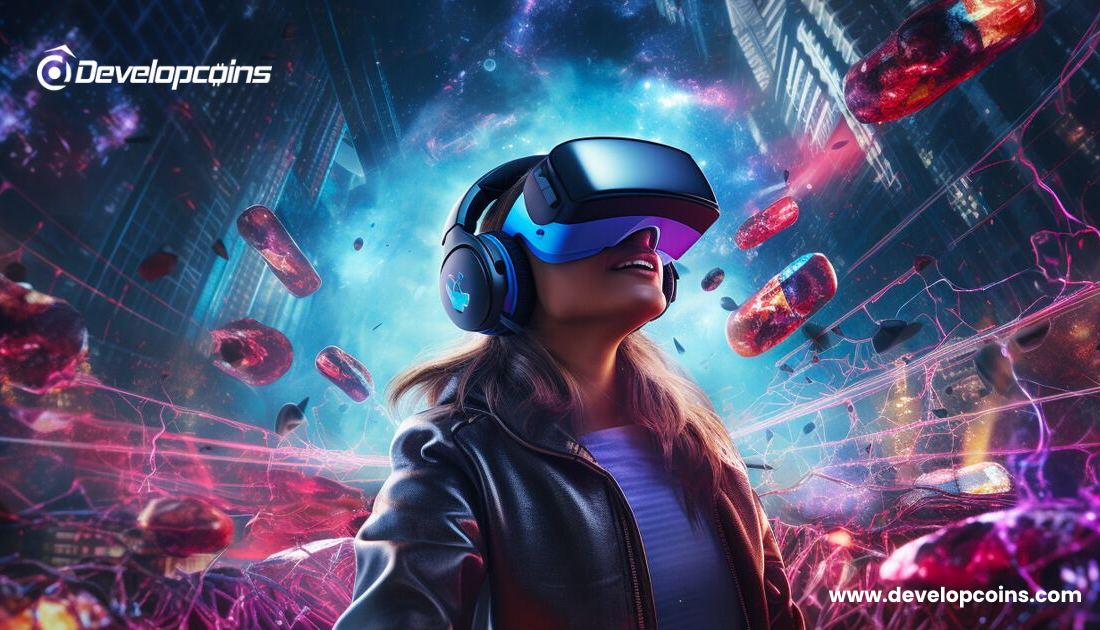
The evolution of the internet has taken a significant leap with the advent of Web3 and the Metaverse, creating immersive worlds that redefine how we interact, work, and play. This article delves into the growth of these technologies, exploring their potential, the driving forces behind their development, and what the future holds for users and developers alike.
Understanding Web3: The Next Generation of the Internet
Web3 represents a decentralized internet that empowers users by giving them control over their own data and identities. Unlike its predecessor, Web2, which is dominated by centralized platforms, Web3 leverages blockchain technology to create a more open and transparent online environment. This shift allows for peer-to-peer interactions without the need for intermediaries, fostering a sense of community and collaboration.
The Rise of the Metaverse
The Metaverse is often described as a collective virtual shared space, created by the convergence of virtually enhanced physical reality and physically persistent virtual reality. It encompasses augmented reality (AR), virtual reality (VR), and the internet, allowing users to interact with a computer-generated environment and other users in real-time. As of 2023, the Metaverse market is projected to grow from $82-95 billion to an astonishing $1.3 trillion by 2032, with a compound annual growth rate (CAGR) of 46.4% driven by virtual assets, Web3 commerce, and immersive hardware.
Key Technologies Driving Growth
Several technologies are pivotal in the growth of Web3 and the Metaverse:
-
Blockchain: This technology ensures transparency and security, making it the backbone of decentralized applications (dApps) and virtual economies.
-
Artificial Intelligence (AI): AI enhances user experiences by personalizing interactions and automating processes within these immersive environments.
-
5G Connectivity: The rollout of 5G networks enables faster data transfer and reduced latency, essential for real-time interactions in the Metaverse.
-
Virtual and Augmented Reality: These technologies provide immersive experiences, allowing users to engage with digital content in innovative ways.
Metaverse in Gaming: A Booming Sector
The gaming industry is one of the most significant contributors to the Metaverse's growth. The Metaverse gaming market is expected to reach $35.39 billion by 2026, escalating to $176.15 billion by 2031, showcasing a CAGR of 37.85%. The Asia-Pacific region is leading this growth, driven by mobile gaming and 5G advancements. Games like Decentraland and The Sandbox are pioneering this space, integrating NFTs and brand collaborations to enhance user engagement.
Decentralization and User Empowerment
One of the most compelling aspects of Web3 is its emphasis on decentralization. This shift empowers users by enabling them to own their digital assets, participate in governance, and contribute to the ecosystem's development. Decentralized Autonomous Organizations (DAOs) are emerging as a new model for community governance, allowing users to vote on decisions and share in the profits generated by the platform.
Investing in the Future: Opportunities in Web3 and the Metaverse
Investors are increasingly recognizing the potential of Web3 and the Metaverse. With the market projected to reach $81.5 billion by 2030, opportunities abound in various sectors, including gaming, virtual real estate, and digital collectibles. As brands explore ways to engage with consumers in these immersive worlds, the demand for innovative solutions and platforms will continue to rise.
Challenges to Overcome
Despite the promising growth, several challenges need addressing:
-
Scalability: As user adoption increases, platforms must scale effectively to handle the growing demand.
-
Interoperability: Ensuring seamless interactions between different platforms and ecosystems is crucial for a cohesive Metaverse experience.
-
Security: Protecting user data and digital assets from cyber threats is paramount.
The Role of Developers in Shaping the Metaverse
Developers play a critical role in building the infrastructure of the Metaverse. They are tasked with creating engaging experiences, ensuring security, and fostering community engagement. As the demand for skilled developers rises, educational initiatives and training programs will be essential in equipping the next generation of creators with the necessary skills.
Real-World Applications of Web3 and the Metaverse
Beyond gaming, the Metaverse offers numerous real-world applications:
-
Education: Virtual classrooms and immersive learning experiences can enhance educational outcomes.
-
Healthcare: Telemedicine and virtual consultations can improve access to healthcare services.
-
Remote Work: Virtual offices and collaboration tools can redefine how teams interact and work together.
Looking Ahead: Shaping the Web3 & Metaverse Future
The future of Web3 and the Metaverse is filled with transformative opportunities, redefining how people interact, build, and experience digital worlds. As immersive technologies evolve alongside AI and blockchain, the Metaverse will become more intelligent, decentralized, and deeply engaging—unlocking new models for collaboration, creativity, and digital economies.
Developcoins, a specialized Metaverse Development Company, is dedicated to turning these possibilities into reality. We design and develop immersive, scalable, and future-ready Metaverse solutions that help businesses establish a strong presence in this next-generation digital space. From virtual environments to Web3-powered experiences, we guide you through every step of the Metaverse journey.

THE AUTHOR
DEVELOPCOINS EDITORIAL TEAM
Our Developcoins' Editorial Team brings over 10+ years of experience in blockchain, fintech, and AI-based technologies. We are a team of developers, analysts, and technical writers sharing insights from successful projects. We believe content should do more than inform. It should guide, clarify, and give readers the confidence to explore new technologies. To support this, we publish content backed by practical knowledge gained from working on live projects across industries.
 How Blockchain Reduces the Cost of Trust in Supply Chain