

Why Utility Token Development Will Define Crypto Infrastructure in 2026
Utility token development is evolving into a core infrastructure strategy for blockchain projects in 2026. From DeFi and stablecoins to AI and DePIN networks, utility tokens are driving real adoption, sustainable tokenomics, and long-term ecosystem growth across the crypto economy.
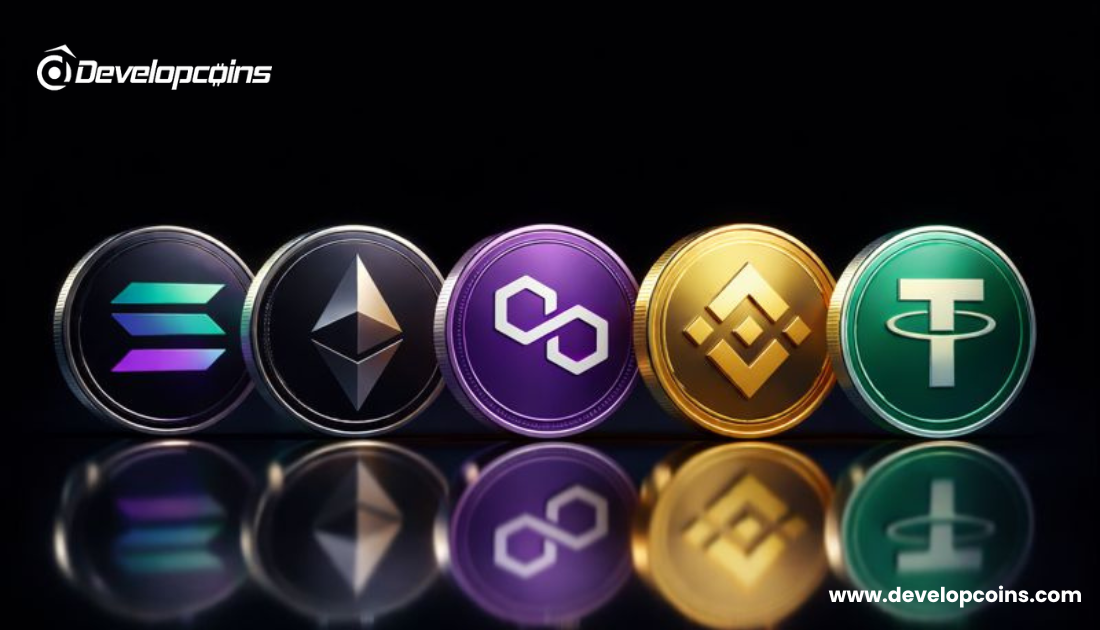
As we approach 2026, the landscape of cryptocurrency is evolving, with utility tokens emerging as a pivotal component of this transformation. Utility token development is not merely a trend; it represents a fundamental infrastructure decision that can shape the future of digital economies. This article delves into why utility tokens are critical for crypto infrastructure in 2026, exploring their implications in various sectors, including DeFi, stablecoins, and AI.
The Rise of Utility Tokens
Utility tokens are designed to provide users with access to a product or service within a blockchain ecosystem. Unlike governance tokens, which grant holders voting rights, utility tokens focus on functionality and usability. As highlighted in a recent article by Ainvest, the growth of crypto in 2026 will be driven by projects that prioritize utility, addressing real-world needs with robust tokenomics and institutional adoption.
Understanding Tokenomics
Tokenomics refers to the economic model behind a token, encompassing its supply, distribution, and utility. A well-structured tokenomics model is essential for the success of any utility token. For instance, a token with a limited supply and a clear use case can drive demand and increase value. As noted in a piece by CAIA, utility tokens are positioned as a fundamental layer in crypto markets, deriving value from service adoption and network usage.
Utility Token vs Governance Token
Understanding the distinction between utility tokens and governance tokens is crucial for investors and developers alike. While utility tokens grant access to services, governance tokens empower holders to influence the direction of a project. This difference highlights the unique roles each token plays in the crypto ecosystem. For example, in decentralized finance (DeFi), utility tokens might be used for transaction fees or staking, while governance tokens allow users to vote on protocol changes.
Best Utility Tokens to Watch in 2026
As we look to 2026, several utility tokens are poised to make a significant impact. Tokens associated with decentralized finance (DeFi) platforms are particularly noteworthy, as they facilitate seamless transactions and liquidity provision. Additionally, tokens focusing on real-world asset (RWA) tokenization are gaining traction, allowing for the digitization of physical assets, which can enhance liquidity and accessibility.
The Role of Stablecoins
Stablecoins are a vital part of the utility token infrastructure. They provide a stable medium of exchange within the volatile crypto market, making them essential for everyday transactions. The Silicon Valley Bank predicts that stablecoin-as-a-service infrastructure will become mainstream in 2026, further solidifying the role of stablecoins in the crypto economy.
AI Utility Tokens
Artificial intelligence (AI) is transforming various industries, and utility tokens associated with AI technologies are emerging as a significant trend. These tokens can facilitate transactions within AI ecosystems, enabling developers to monetize their innovations while providing users with access to cutting-edge services. The integration of AI with blockchain technology is set to redefine how we interact with both fields.
Decentralized Physical Infrastructure Networks (DePIN)
Decentralized Physical Infrastructure Networks (DePIN) are another area where utility tokens are gaining prominence. These networks leverage blockchain technology to create decentralized solutions for physical infrastructure, such as energy distribution and transportation. Utility tokens play a crucial role in incentivizing participation and ensuring the smooth operation of these networks.
Building a Utility Token Portfolio
For investors, building a utility token portfolio requires careful consideration of various factors, including the project's fundamentals, tokenomics, and market trends. Diversifying across different sectors, such as DeFi, AI, and stablecoins, can mitigate risks and enhance potential returns. As the market evolves, staying informed about emerging projects and their utility will be key to successful investment strategies.
The Future of Utility Token Development
Looking ahead, the future of utility token development is bright. As blockchain technology matures and regulatory frameworks evolve, we can expect increased institutional adoption and innovation. Projects that prioritize utility and address real-world challenges will likely gain traction, paving the way for a more robust and sustainable crypto ecosystem.
Conclusion: Embracing the Utility Token Revolution
Utility token development is no longer a short-term trend; it is a strategic infrastructure decision that will define the crypto ecosystem in 2026 and beyond. By understanding token utility, strong tokenomics models, and cross-sector applications in DeFi, AI, stablecoins, and DePIN, businesses and investors can build sustainable, future-ready blockchain ecosystems. Partner with developcoins, a leading token development company, to design, launch, and scale robust utility token solutions tailored for long-term growth in the evolving digital economy.

THE AUTHOR
DEVELOPCOINS EDITORIAL TEAM
Our Developcoins' Editorial Team brings over 10+ years of experience in blockchain, fintech, and AI-based technologies. We are a team of developers, analysts, and technical writers sharing insights from successful projects. We believe content should do more than inform. It should guide, clarify, and give readers the confidence to explore new technologies. To support this, we publish content backed by practical knowledge gained from working on live projects across industries.