

ESG Tokenization Platforms for Sustainable Renewable Energy into Digital Assets
ESG Tokenization Platforms convert renewable energy assets and carbon credits into secure, tradeable digital tokens using blockchain technology, enabling transparent and scalable sustainable investments.
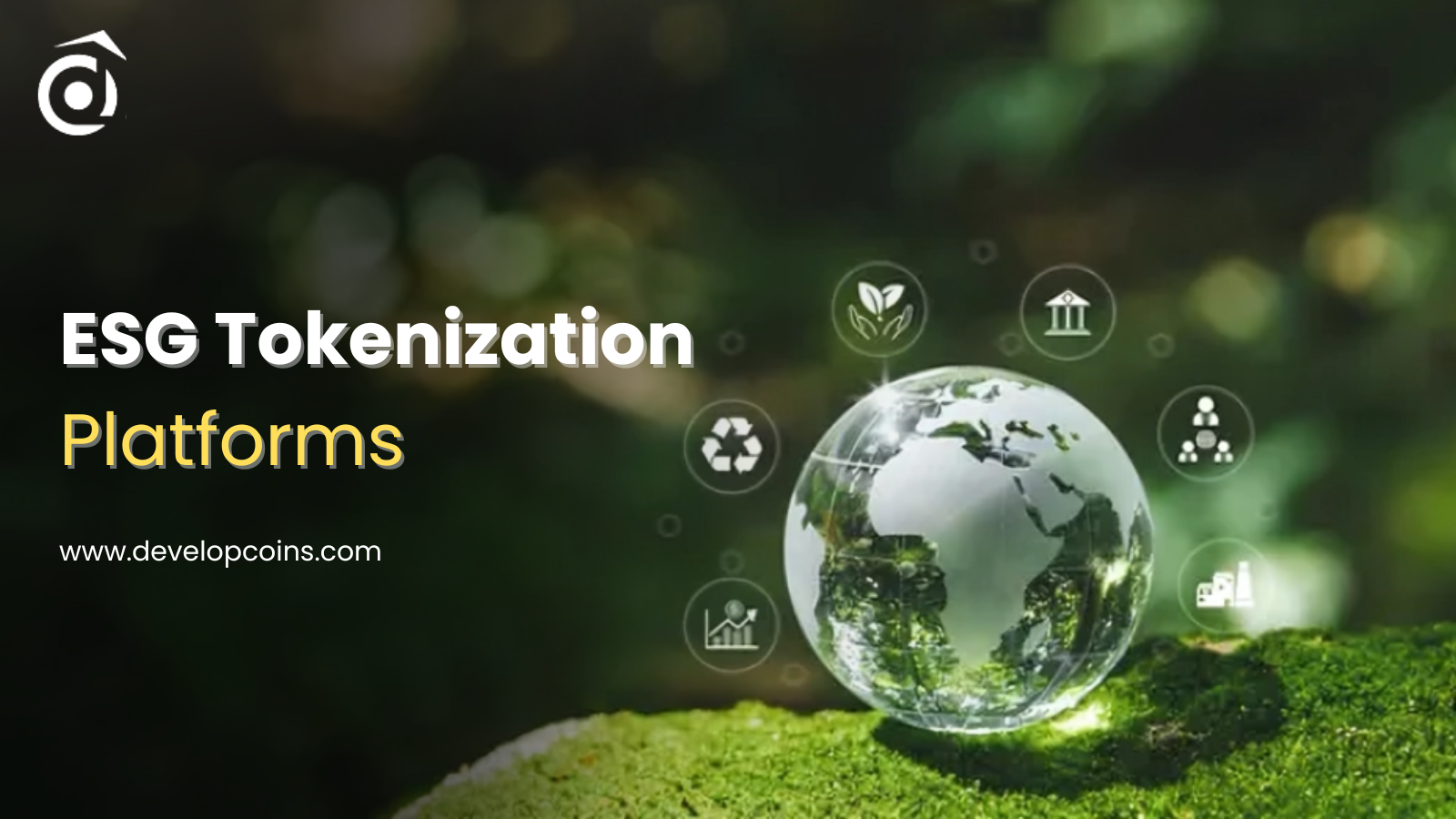
Governments, businesses, and investors are searching for ways to make their operations more sustainable. One effective method that has developed for digitizing environmental sustainable assets is through the use of ESG Tokenization Platforms. With the help of blockchain technology, these platforms transform real world assets such as solar farm and wind turbine projects, carbon offsets, and renewable energy certificates into secure digital tokens that can be traded.
This blog explains how ESG tokenization platforms work, the benefits they offer, their key features, and how businesses can build scalable solutions using modern blockchain technology.
What Are ESG Tokenization Platforms?
ESG tokenization platforms are blockchain-based systems that can transform sustainable assets into digital tokens, making them easy to manage, track, and trade online. These platforms support assets such as,
-
Carbon credits and offsets.
-
Renewable Energy Certificates (RECs).
-
Solar, wind, and hydro infrastructure.
-
Green bonds and sustainability-linked investments.
The goal is to make sure that each token exactly reflects real-world environmental impact while remaining compliant with applicable regulations.
Key Features of a Scalable ESG Tokenization Platform
A modern ESG tokenization platform must be designed for scale, security, and compliance. Common features include,
Secure Token Minting
Secure Token Minting using standardized token frameworks Compliance Modules for KYC, AML, and jurisdictional rules.
ESG Data Oracles
ESG Data Oracles to integrate real-time sustainability data from trusted sources to maintain ESG metrics.
Investor Dashboards
By providing Investor Dashboards with clear insights for portfolio tracking, impact reporting, and environmental impact.
Marketplace Integration
Marketplace Integration supports both initial token issuance and secondary trading for improved liquidity.
API and IoT Connectivity
API and IoT Connectivity make sure of up-to-date and accurate data by connecting external systems and smart devices.
How ESG Tokenization Turns Renewable Energy into Digital Assets?
The tokenization of renewable energy assets follows a structured process:
1. Asset Identification and Verification
Renewable energy assets, such as solar plants or carbon credits, are audited and verified by approved entities to confirm ownership, capacity, and ESG eligibility.
2. ESG Data Validation
Sustainability metrics, such as emissions, reductions or energy output, are validated using third-party data providers, IoT devices, or ESG auditors.
3. Token Creation and Smart Contracts
Once verified, digital tokens are minted using smart contracts. These tokens represent fractional ownership or entitlement linked to the underlying asset.
4.Distribution and Trading
Tokens can be distributed to investors or listed on private or public marketplaces, enabling secondary trading and improved liquidity.
Key Benefits of ESG Tokenization for Investors and Enterprises
Easier Access to Sustainable Investments
ESG tokenization is a way to break down investments into smaller pieces, making it easier for both investors and businesses to participate in sustainable projects.
Fractional Ownership Through Tokens
Investors are now able to digitally own small portions of a project through tokens instead of investing in the whole project.
Transparent ESG Impact Tracking
Platforms show the environmental impact of each investment using verified on-chain data.
Improved Investment Liquidity
ESG tokens can be traded more easily, offering better liquidity than traditional green investments.
Faster Fundraising for Enterprises
ESG tokenization helps renewable energy project owners a faster way to raise funds and reaching a global investor base.
Automated Compliance and Reporting
Compliance, Regulatory checks and ESG reporting are handled automatically, reducing manual work and lower operational costs.
Trust Through Blockchain Transparency
Since all information is kept on the blockchain, investors have no doubt that the data is reliable and transparent.
Long-Term Sustainable Growth
ESG tokenization supports stable, long-term growth for both the businesses and the environment.
Building an Developcoins ESG Tokenization Platform - Technology and Architecture
Developing an ESG tokenization platform requires careful architectural planning. Key considerations include:
Blockchain Selection
Popular choices include Ethereum, Polygon, and Base due to their ecosystem maturity and smart contract support.
Token Standards
Depending on compliance needs, platforms may use ERC-20, ERC-1400, or custom RWA token standards.
Data and Oracle Layer
Reliable ESG data sources are critical to make sure trust and prevent greenwashing.
Security and Audits
Smart contracts must regularly be audited to protect investor funds and platform integrity.
At this point, enterprises and businesses are teaming up with experienced blockchain development companies to help them finish the job without running into huge technical risks and to speed up their deployment process.
Trends in ESG and Renewable Energy Tokenization
In 2026, ESG and renewable energy tokenization is transformed by several key trends. Those trends are increased participation of institutional investors, more widespread use of tokenized green bonds and infrastructure funds, and the application of AI, powered ESG scoring and report generation tools.
Moreover, the tokenization of renewable energy is highly getting the interest of emerging markets which is made possible by better blockchain infrastructure and the availability of global capital. On the other hand, due to better regulatory alignment among different regions, adoption has increased.
How Developcoins Enables ESG Tokenization Platforms?
Developcoins with deep expertise in Token Development Company that supports businesses in building scalable and compliant ESG tokenization platforms that convert renewable energy and sustainability assets into secure digital tokens. By offering smart contract development, renewable energy and carbon credit tokenization, investor dashboards, and regulatory-aware platform architecture, Developcoins allows companies to move efficiently from concept to production and create long-term value in sustainable finance.

THE AUTHOR
DEVELOPCOINS EDITORIAL TEAM
Our Developcoins' Editorial Team brings over 10+ years of experience in blockchain, fintech, and AI-based technologies. We are a team of developers, analysts, and technical writers sharing insights from successful projects. We believe content should do more than inform. It should guide, clarify, and give readers the confidence to explore new technologies. To support this, we publish content backed by practical knowledge gained from working on live projects across industries.
 DeFi Vault Infrastructure to Web3 business